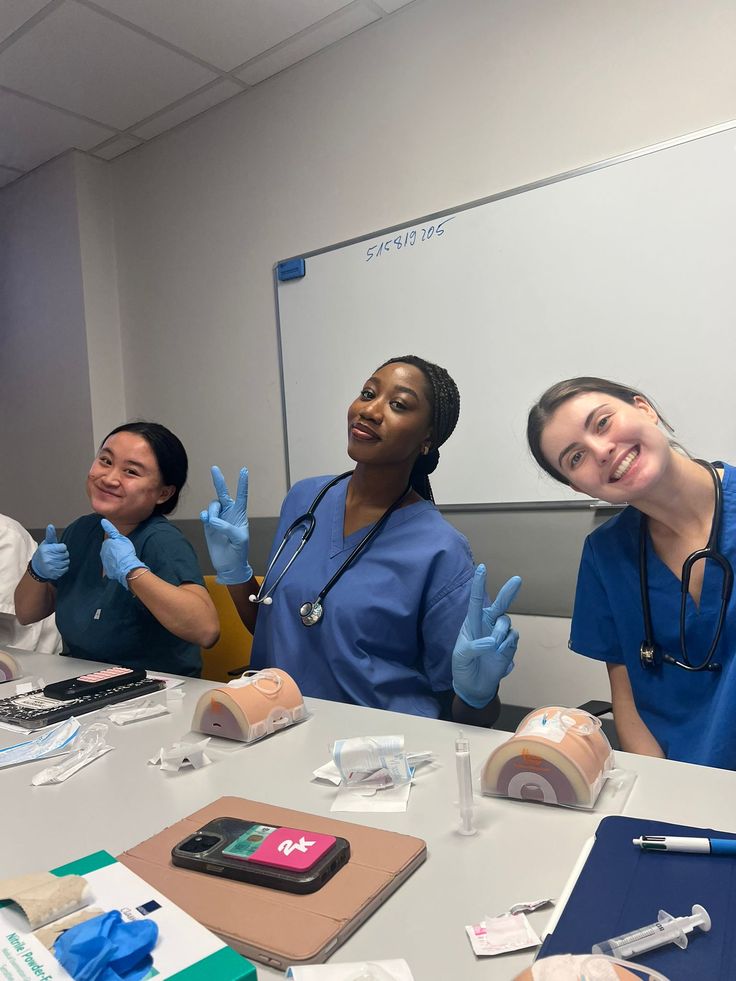
Discover how ClinPlacer helps coordinate Kenya’s clinical placements through structured scheduling, stakeholder collaboration, capacity visibility, and organized compliance documentation.
Read article
ClinPlacer strengthens nursing education by supporting clinical training coordination, practical learning opportunities, and the development of skilled, compassionate, and professionally prepared nurses.

Clinical placement is a vital part of nursing education, connecting classroom knowledge with real-world patient care. For nursing students in Kenya, clinical placement provides an opportunity to develop practical skills in healthcare environments. It allows students to apply what they learn in areas such as patient assessment, infection prevention, communication, documentation and professional practice. Clinical placement also helps students develop confidence, teamwork, time management and professional responsibility. In Kenya, nursing education operates within a regulated environment, with the Nursing Council of Kenya playing an important role in nursing and midwifery education and professional practice. Training institutions must coordinate clinical learning opportunities while working with suitable healthcare facilities. Healthcare facilities also play an important role by providing appropriate environments for students to gain supervised clinical experience. As the number of students and placement requests grows, coordinating clinical rotations can become increasingly complex. Schools and facilities may face challenges involving capacity, scheduling, communication, documentation and placement conflicts. Effective rotation planning and coordination can help create a more organized clinical learning experience. Digital technology can support schools and healthcare facilities by bringing placement information, schedules, requests and records into a structured environment. ClinPlacer provides a digital platform designed to help institutions coordinate and manage clinical placements more efficiently.
