Introduction: Turning Clinical Placement Requirements Into Coordinated Action
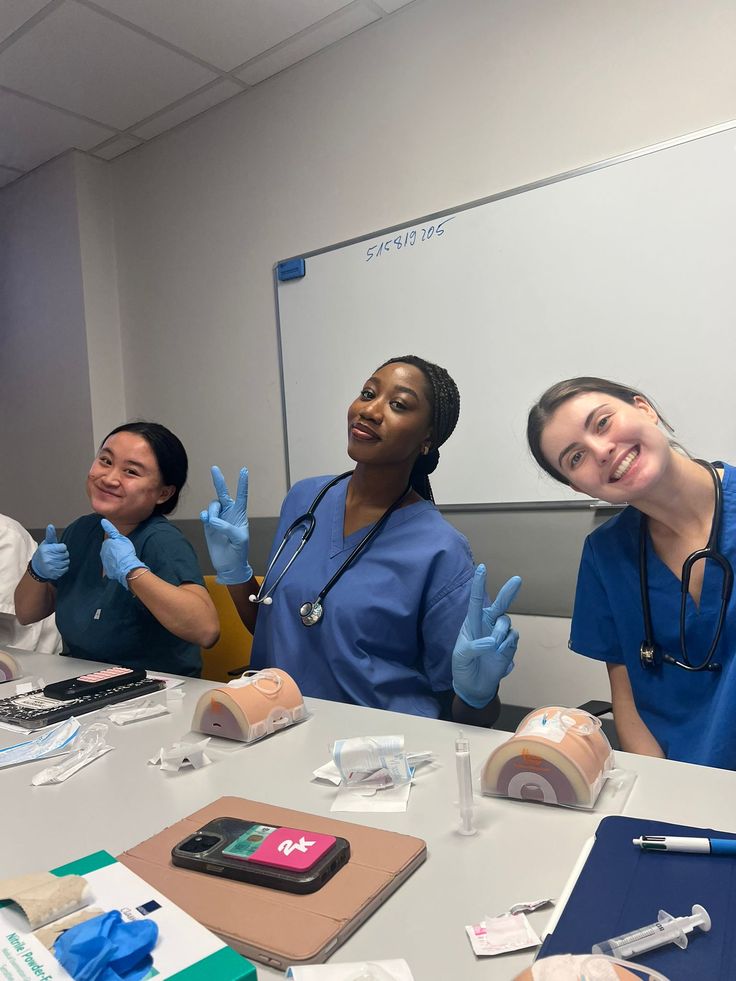
Healthcare education depends on more than lectures, examinations, and classroom demonstrations. Students must also develop practical competencies in clinical environments where they can apply theoretical knowledge, observe experienced professionals, and learn the responsibilities of patient care.
In Kenya, clinical placements connect training institutions with hospitals, health centres, laboratories, rehabilitation facilities, and other approved learning environments. These placements must be planned carefully to meet programme requirements, provide suitable supervision, and support the development of professional competence.
However, coordinating placements across multiple institutions and healthcare facilities can be demanding. Student numbers fluctuate, departmental capacity changes, supervisors have competing responsibilities, and different professional programmes operate under different regulatory frameworks.
This is where ClinPlacer becomes relevant. By bringing clinical placement information and scheduling workflows into a coordinated digital environment, ClinPlacer can help institutions move from fragmented administration towards a more organized, transparent, and manageable placement process.
1. Understanding the Regulatory Landscape of Clinical Education
Kenya’s healthcare professions are overseen by different regulatory bodies, including the Nursing Council of Kenya, the Kenya Medical Practitioners and Dentists Council, the Clinical Officers Council, the Pharmacy and Poisons Board, and the Kenya Medical Laboratory Technicians and Technologists Board.
Each body has responsibilities relating to its profession, which may include training standards, registration, licensing, internship requirements, and professional practice.
For training institutions, this creates an important administrative responsibility: understanding the requirements that apply to each programme and ensuring that placements are arranged appropriately.
A nursing rotation cannot automatically be managed according to the same requirements as a medical internship or laboratory attachment. The duration, competencies, supervision arrangements, documentation, and eligibility requirements may differ.
ClinPlacer can support this complexity by helping institutions organize programme-specific placement information, schedules, assignments, and records. Rather than relying entirely on separate spreadsheets and scattered correspondence, coordinators can work towards a more consistent process for managing placement activities.
The platform supports coordination; the responsibility for interpreting regulations and confirming compliance remains with the relevant institutions and professional authorities.
2. Why Placement Coordination Should Begin Before Students Need Facilities
One of the common difficulties in clinical education is the gap between when students need placements and when facilities can accommodate them.
When requests are made late, hospitals may already have committed their departments to other institutions. Supervisors may be unavailable, and alternative placements may be difficult to arrange within the academic calendar.
These challenges can affect student progression and increase administrative pressure on educators and facility managers.
A proactive placement process begins with identifying student numbers, programme requirements, proposed rotation dates, and the facilities capable of supporting the required learning experiences.
ClinPlacer can help organize this information so that coordinators have a clearer view of upcoming placement needs. Its Master Rota Plan (MRP™) supports structured rotation scheduling, making it easier to identify potential clashes and coordinate assignments across cohorts.
The benefit is not simply a more organized calendar. It is an opportunity to identify problems earlier, communicate changes more effectively, and make placement decisions with better information.
3. Connecting Training Institutions With Healthcare Facilities
Clinical placements depend on collaboration between institutions that educate students and facilities that provide practical learning opportunities.
Training institutions need suitable placements for their students, while healthcare facilities must balance educational responsibilities with patient care, staffing, departmental workload, and operational priorities.
When communication is fragmented, the same information may be requested repeatedly, placement changes may not reach every stakeholder, and uncertainty can arise over student numbers or reporting dates.
ClinPlacer is designed to bring key stakeholders into a more coordinated placement management process. Centralized placement information can help institutions communicate their requirements, organize allocations, and maintain visibility over schedules.
For healthcare facilities, clearer information about anticipated student numbers and rotation periods can support more informed capacity discussions. For educators, it can help make placement administration easier to monitor.
Effective collaboration still requires agreed procedures, authorized decisions, and timely communication between all participating organizations.
4. Documentation, Accountability and Compliance Visibility
Clinical placements generate important records, including student allocations, attendance information, rotation schedules, supervisor assessments, and evidence of completed learning activities.
When these records are spread across paper files, emails, and disconnected spreadsheets, retrieving information and identifying missing documentation can become difficult.
ClinPlacer’s digital approach offers an opportunity to organize placement information more consistently and improve visibility into the status of placement activities.
For example, coordinators may use structured records to identify upcoming rotations, review allocations, follow up on incomplete administrative requirements, and prepare information for institutional reporting.
The exact documentation required will depend on the relevant programme and regulator. Digital records should be designed around those requirements, with appropriate access controls and procedures for protecting confidential information.
A well-organized digital process can support accountability, but it does not automatically establish regulatory approval or replace formal assessments.
5. The Role of MRP™ and ZARA in Modern Placement Management
ClinPlacer’s Master Rota Plan (MRP™) is intended to support the coordination of complex clinical rotation schedules. This is particularly relevant when multiple student groups require different departments, supervisors, facilities, or rotation periods.
A structured rota can help coordinators identify overlapping assignments, manage sequencing, and review the overall placement plan.
ClinPlacer’s AI assistant, ZARA, can further support scheduling and data-driven assistance by helping users work with placement information and identify issues requiring attention.
These capabilities can reduce some of the administrative burden associated with manual planning. However, final decisions about student eligibility, facility suitability, supervision, and regulatory compliance must remain with the responsible people and institutions.
Conclusion: Building a More Coordinated Future for Clinical Education
Clinical placement management is a shared responsibility involving students, educators, healthcare facilities, supervisors, and regulators.
When these stakeholders operate with incomplete information and disconnected processes, coordination becomes unnecessarily difficult. When placement information is structured, schedules are visible, and responsibilities are clearly defined, institutions have a stronger foundation for managing clinical education.
ClinPlacer offers a digital approach to organizing this work, helping institutions coordinate placements, plan rotations, and improve administrative visibility.
The opportunity is to make clinical placement management more systematic so that healthcare educators and facilities can devote greater attention to the quality of practical learning and the preparation of competent future professionals.